You’ve probably seen gnocchi on an Italian menu and wondered what you’d actually get if you ordered it. Is it pasta? Is it potato? Something in between? Gnocchi (said “NYOK-ee”) are small, soft Italian dumplings, most often made from potato and flour, then boiled and tossed in sauce just like pasta.
There’s more to gnocchi than that. In this guide, we’ll walk you through what it is and where it came from, how it’s made, what it really tastes like, and which sauces suit it best.
A quick note before we start: gnocchi recipes change from region to region and from kitchen to kitchen, and food historians don’t agree on every detail of its past. If you have an allergy or follow a special diet, always check the ingredients with the restaurant, or on the packet, before you eat.
What Is Gnocchi?
Gnocchi is an Italian dumpling made from a soft dough that’s cut into bite-sized pieces and cooked in boiling water. Potato gnocchi is the version most people know today, but it’s far from the only one.
The name is often linked to Italian words for a knot or a knuckle, possibly a nod to the dumplings’ shape. Each piece is a small, rounded lump of dough, often pressed with little grooves on one side.
Gnocchi is also much older than you might think. Italian cooks made dumplings from ingredients such as flour, breadcrumbs and semolina long before potato gnocchi became popular. Potatoes arrived in Europe from the Americas in the 16th century, but it took a long time for them to become part of gnocchi. By 1891, the Italian cookbook writer Pellegrino Artusi was publishing potato gnocchi recipes much like the ones cooked today.
These days, you’ll usually find gnocchi on Italian menus sitting right next to the house-made pasta. That placement leads to a question a lot of people ask.
Is Gnocchi Pasta or a Dumpling?
Strictly speaking, gnocchi is a dumpling. Pasta dough is built mostly on wheat flour or semolina, often with egg. Potato gnocchi works the other way around. It’s mostly cooked potato, with just enough flour to hold everything together.
So why is it listed with the pasta? It comes down to how it’s eaten. In a traditional Italian meal, gnocchi is served as a primo, the first course that comes after the antipasti and before the main. Pasta, risotto and soup all fill that same spot. If you’re not sure how the courses fit together, this guide on what to order at an Italian restaurant breaks it down step by step.
The Main Types of Gnocchi
Potato might be the most famous base, but different parts of Italy have been making their own versions for centuries. These are the ones you’re most likely to come across:
Type
Main ingredients
Texture
How it’s usually cooked
Potato gnocchi
Cooked potato, flour, sometimes egg
Soft and light
Boiled
Gnocchi alla Romana
Semolina cooked in milk, butter, cheese
Firm outside, creamy inside
Baked
Ricotta gnocchi
Ricotta, flour, parmesan
Very soft and delicate
Boiled
Pumpkin gnocchi
Pumpkin, flour
Soft and slightly denser
Boiled or pan-fried
Malfatti
Spinach, ricotta, a little flour
Rustic and tender
Boiled
Two varieties are worth a closer look. Malfatti literally means “badly made.” They’re shaped roughly by hand, so they look more like little balls than neat gnocchi. Gnocchi alla Romana is the odd one out in the family. Instead of being rolled and boiled, the semolina mixture is spread out, cut into rounds, and baked until golden on top.
How Is Gnocchi Made?
Gnocchi takes only a handful of ingredients, but getting the texture right takes a little care. Here’s how classic potato gnocchi usually comes together.
Pick a floury potato. Dry, starchy potatoes give the lightest result. In Australia, look for Russet potatoes, or bags labelled “floury” or “good for mashing.” Waxy potatoes hold more water, so you end up needing more flour.
Cook them whole. Many cooks boil or bake the potatoes in their skins, which helps stop them soaking up extra water. Baking dries them out a little more.
Rice them while they’re hot. A potato ricer presses the potato into fine, fluffy strands. Mashing works the starch harder and can make the dough gluey.
Add the flour gently. Sprinkle it in, along with egg if the recipe uses it, and bring the dough together with a light touch. Stop as soon as it no longer sticks to your hands.
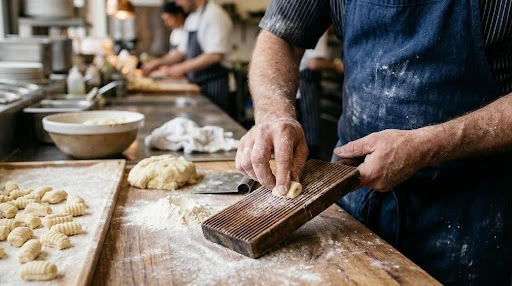
Roll and cut. Roll the dough into long ropes about the width of your finger, then cut them into short pieces.
Add the ridges. Roll each piece down the back of a fork or a ridged gnocchi board. Those grooves give the sauce something to cling to.
Boil them briefly. Drop them into salted, gently boiling water. When they float to the top, check that one is cooked through, then lift them out.
The most common mistake is using too much flour. It’s tempting to keep adding more when the dough feels soft, but every extra spoonful makes the gnocchi heavier. That’s why gnocchi made by hand, with patience, can feel quite different from many packaged versions.
What Does Gnocchi Taste Like?
On its own, potato gnocchi tastes mild. You’ll notice a gentle potato flavour and a little seasoning, and not much else. That’s not a flaw. Just like pasta, gnocchi is there to carry the sauce.
Where it really stands out is texture. Good gnocchi feels light and soft, with just enough bite to hold its shape. It should feel tender rather than dense or rubbery.
Poorly made gnocchi is easy to spot once you know what to look for. It can be heavy and doughy, sticky on the outside, or rubbery from too much flour and too much handling. Packaged gnocchi can also have a firmer or chewier texture than freshly made versions, depending on the ingredients and how it’s prepared.
The other types each bring something of their own. Ricotta versions taste fresh and milky. Pumpkin adds a natural sweetness. Gnocchi alla Romana, baked with butter and cheese, picks up a rich, savoury crust.
What Sauce Goes With Gnocchi?
The best sauces coat each piece without drowning it. A handy rule of thumb in Italian kitchens is to balance the two. The heavier the gnocchi, the lighter the sauce should be, while delicate gnocchi can handle something richer.
Butter and sage
This is the classic. Butter is cooked until it turns golden and smells nutty, then fresh sage leaves crisp up in the pan. A shower of parmesan finishes it off. It’s simple, and it lets the gnocchi shine.
Tomato
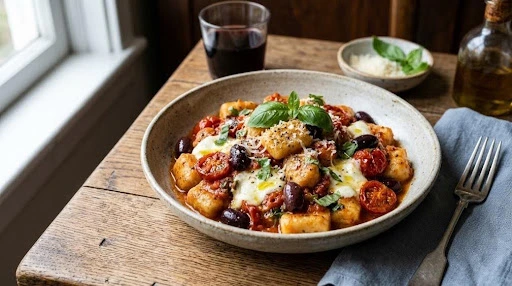
A plain sugo of tomato, garlic and basil keeps things bright and fresh. Gnocchi alla sorrentina, from the Bay of Naples, takes it a step further. The gnocchi is baked with tomato sauce, mozzarella and basil until it’s bubbling.
Cream and cheese
Gorgonzola melted with a little cream is rich and tangy. A parmesan cream or pumpkin cream sauce is gentler and works well with ricotta or pumpkin gnocchi.
Pesto
Basil pesto brings a fresh, herby lift. It’s a good choice for warmer days when you want something lighter.
Meat ragù
A slow-cooked beef, pork or lamb ragù makes a hearty meal with gnocchi, and those ridges catch every bit of the sauce.
Seafood
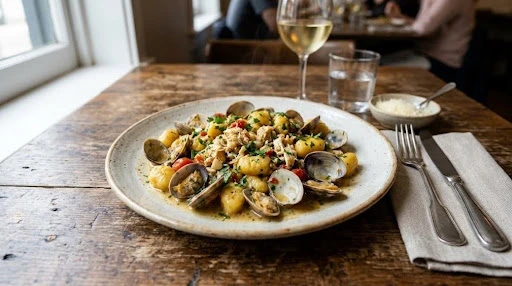
Seafood often gets overlooked, but it’s a great match. Clams, crab or prawns cooked with garlic, chilli and a splash of white wine give you a lighter, coastal-style dish. A light tomato and cream sauce works nicely here too.
Try House-Made Gnocchi at Prego Restaurant in Floreat
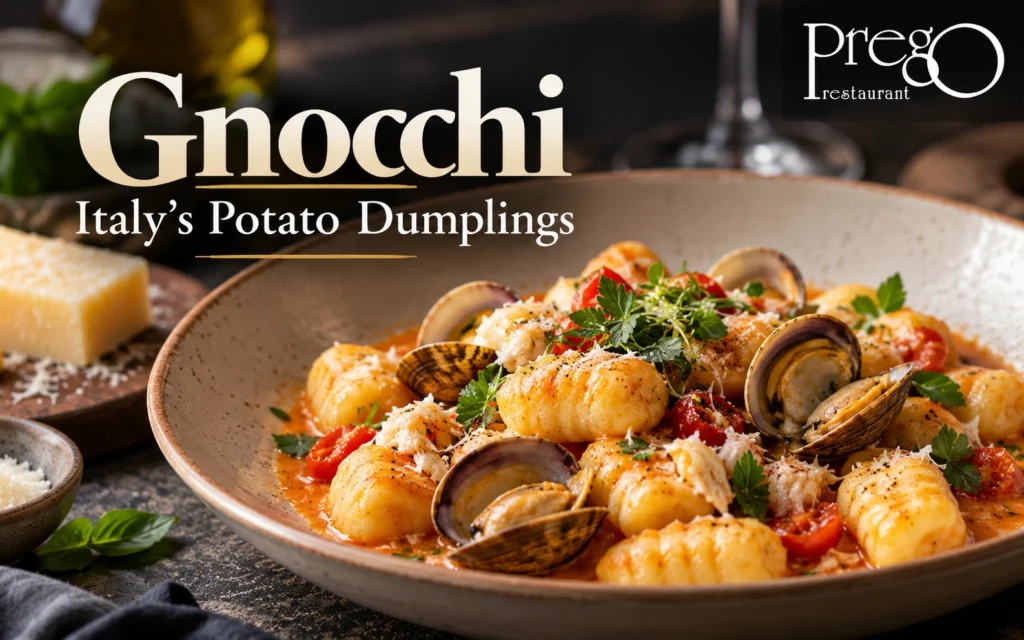
Reading about gnocchi is one thing. Tasting a well-made plate is another. At Prego Restaurant on Cambridge Street in Floreat, our gnocchi is made in-house and served a couple of different ways. There’s a seafood version with crab and clams in a rosé sauce, and a classic with rich tomato, buffalo cheese, basil and olives. If you’re after a longer meal, the vegetarian option on our degustation menu also features a gnocchi course.
We’re open for lunch Tuesday to Friday and dinner Tuesday to Saturday. Book a table for your next visit, or take a look at the full Prego a la carte menu to see what’s on this season.
FAQs
Is gnocchi gluten free?
Traditional potato gnocchi often contains wheat flour, so it isn’t usually gluten free. Some recipes use alternative flours, but ingredients and preparation methods vary. If you have coeliac disease, Healthdirect explains why a strict gluten-free diet matters. Check with the restaurant about both the ingredients and cross-contact before you order.
Is gnocchi healthier than pasta?
Neither one is automatically healthier. Their nutritional value depends on the ingredients, the serving size and the sauce. If you’re choosing based on your nutritional needs, compare the specific dishes rather than gnocchi and pasta in general.
Can you freeze gnocchi?
Yes, uncooked gnocchi freezes well. Spread the pieces on a floured tray so they don’t touch, freeze until firm, then move them into a bag or container. Cook them straight from frozen. Thawing first can leave them soft and sticky.
Can you pan-fry gnocchi without boiling it first?
Often, yes, if it’s shelf-stable packet gnocchi. Many brands can go straight into a hot pan with butter or oil for a crisp outside and a soft centre, but check the packet first. Fresh gnocchi is usually boiled, then drained and dried before it goes in the pan.
Prego Italian Restaurant has long been a destination choice for food lovers. Customers visit this special Italian Restaurant to taste some delectable Italian cuisine in the regions and leave the restaurant with great contentment. Our chef makes it a point to serve you the tastiest delicacies in the healthiest way. Count on us for a healthy & tasty treat and feel the indulgence!